Signs Your Furnace Needs Repair Before Winter Hits in Kentuckiana
Kentuckiana winters bring freezing temperatures and icy winds, and the last thing you want to deal with is a surprise furnace breakdown. Catching HVAC issues early gives you time to choose affordable fixes instead of emergency repairs or full replacements. By knowing the warning signs, you can stay ahead of breakdowns, keep your energy bills in check and ensure your home stays warm and safe all season long.
1. Strange Noises From Your Furnace
A properly functioning furnace runs quietly in the background. If you start hearing banging, rattling, screeching or grinding, something is wrong. These noises often point to mechanical issues that will only get worse if you ignore them, such as loose components, worn belts or motor problems.
Banging can signal delayed ignition, a condition where gas builds up before igniting in a small explosion. Screeching typically means a failing blower motor or worn belt, while rattling suggests loose panels or ductwork. None of these issues will resolve on their own, and each risks further damage or safety hazards if you leave them too long.
2. Uneven Heating Throughout Your Home
When some rooms feel comfortable while others stay cold, your furnace isn't distributing heat as efficiently as it should. This problem often stems from a failing blower motor, clogged air filters or ductwork issues. Uneven temperatures make some spaces nearly unusable in Kentuckiana homes, where winters demand consistent heating.
Ignoring this issue forces your furnace to work harder to compensate, leading to higher energy bills, unnecessary strain, premature wear and costly repair bills. A technician can diagnose whether the issue is mechanical or airflow-related — both are fixable when addressed proactively.
3. Your Energy Bills Keep Climbing
A sudden spike in your heating costs when your usage hasn't changed signals inefficiency. Furnaces naturally operate less smoothly over time, but a sharp increase often points to a specific problem that forces your system to run longer cycles, such as dirty burners, a malfunctioning thermostat or a failing component.
Regular furnace maintenance improves efficiency and lowers energy costs. If your bills have risen without explanation, a professional inspection can identify the root cause and restore performance before you waste more money on energy.
4. Frequent Cycling or Difficulty Starting
Short cycling is a phenomenon in which your furnace turns on and off repeatedly without completing a full heating cycle. This issue can result from a malfunctioning thermostat, a clogged filter or an oversized furnace that reaches your set temperature too quickly. Each cycle will increase your energy costs and wear down components faster, leading to breakdowns.
If your furnace struggles to start, that's equally concerning. Difficulty igniting suggests problems with the pilot light, ignition system or gas supply. These are genuine safety risks. A furnace that won't start reliably today may fail during a Kentuckiana cold snap.
5. The Pilot Light Is Yellow Instead of Blue
A healthy furnace pilot light burns blue. If yours has turned yellow or flickers, that's a red flag. A yellow flame often indicates incomplete combustion, which can produce carbon monoxide, a colorless, odorless gas that poses serious health risks.
CO exposure causes symptoms such as headaches, dizziness, nausea and fatigue. In severe cases, it can be fatal. Never ignore a yellow pilot light and always keep your carbon monoxide detector batteries charged. Immediately turn off your furnace and call a professional if you suspect you have a CO leak.
6. Visible Rust or Cracks in the Heat Exchanger
The heat exchanger is critical to your furnace's operation. It separates gases that combustion creates from the regular air throughout your home. When it cracks or rusts, those gases can leak into your living space.
Heat exchanger failure is a serious safety hazard. If a technician finds cracks or significant rust during an inspection, repair may not be an option. In many cases, replacing the entire furnace is the safest choice.
7. Your Furnace Is Over 15 Years Old
Even with regular maintenance, furnaces don't last forever. Most systems have a lifespan of 15 to 20 years. If yours is approaching or exceeding that range, it'll work harder to deliver the same performance and be more prone to breakdowns.
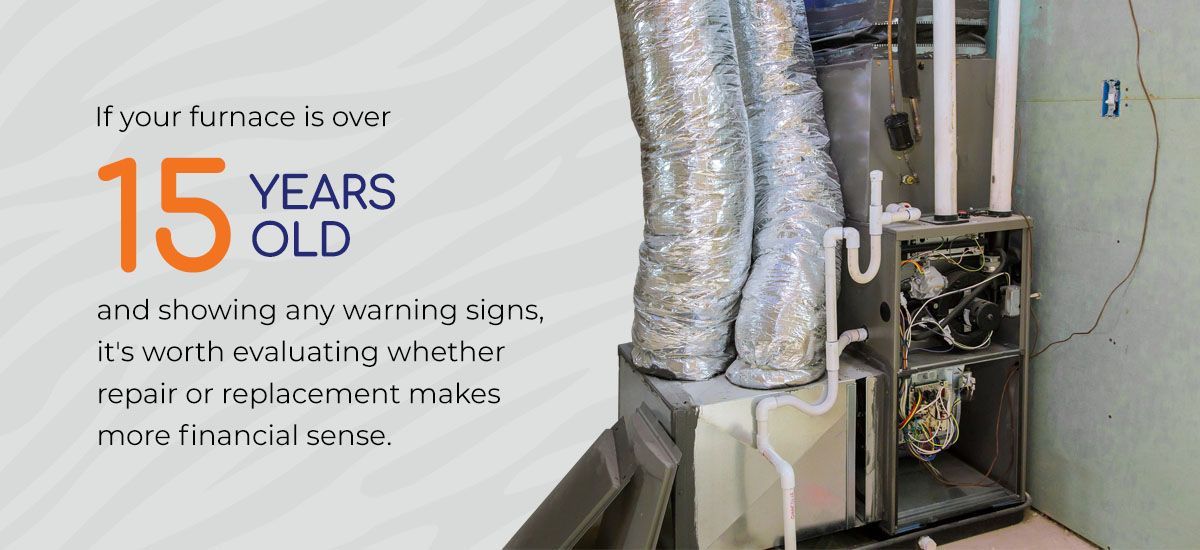
Older furnaces also lack the efficiency of modern models. Upgrading to a high-efficiency furnace can significantly reduce your heating costs. If your furnace is over 15 years old and showing any warning signs, it's worth evaluating whether repair or replacement makes more financial sense.
When to Repair vs. Replace Your Furnace
Not every furnace problem requires a full replacement. Your furnace may need minor repairs, such as replacing a worn belt, cleaning the burners, or fixing the thermostat. These cost-effective solutions will all extend your system's life. However, some situations make replacement a wiser choice.
Consider an upgrade if your furnace is more than 15 years old, requires frequent repairs or has a cracked heat exchanger. Also, factor in efficiency — older systems often have a lower AFUE rating than current standards. Long-term savings on your energy bills can offset the up-front cost of a new furnace.
A qualified HVAC technician can walk you through a cost-benefit analysis based on your specific situation, your budget and your home's heating needs.
How to Prevent Furnace Problems
Preventive maintenance is an effective way to avoid furnace breakdowns. Here's what you can do.
- Schedule annual inspections: A professional tuneup before winter catches small issues before they become expensive repairs. Kentuckiana's heating season sometimes starts as early as October, so plan your inspection for late summer or early fall.
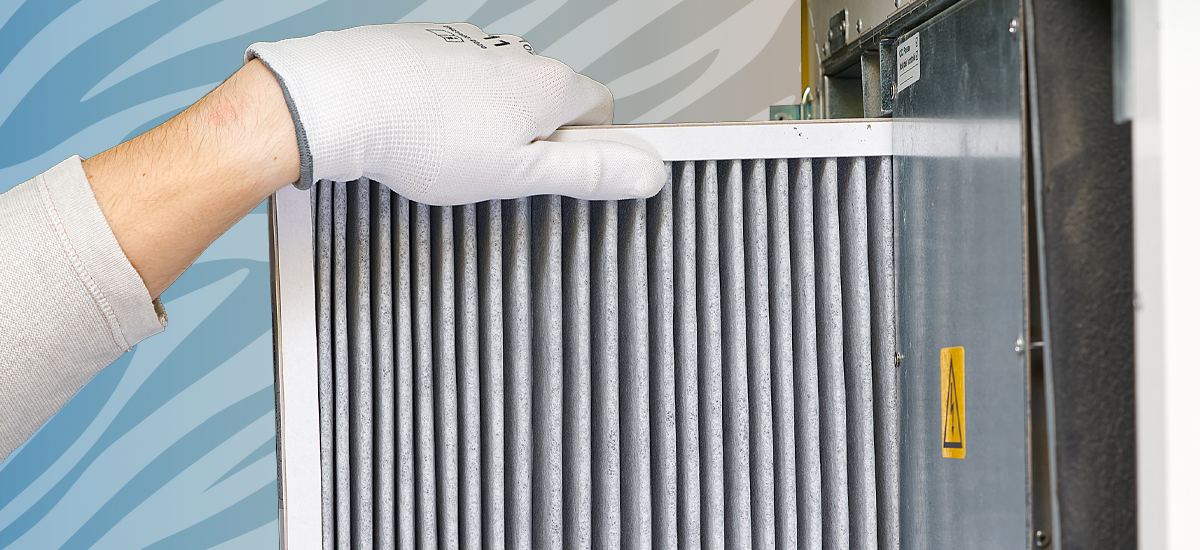
- Replace air filters regularly: Dirty filters restrict airflow, forcing your furnace to work harder. Replace filters every one to three months during heating season.
- Keep vents and registers clear: Blocked vents reduce efficiency and create uneven heating. Move furniture, curtains and other objects away from your registers.
- Monitor your thermostat: If your thermostat doesn't work correctly, your furnace won't, either. Test it regularly and replace batteries as needed.
- Watch for warning signs: Catching problems early lets you save money and prevent hazards, so pay attention to the signals your furnace gives you.
The Value of Timely Furnace Repair
Kentuckiana winters are unpredictable, with average low temperatures in Louisville dropping below freezing during January and February. A broken furnace can become a hazard when temperatures plummet, especially for young children, elderly family members and anyone with health conditions.
Emergency furnace repairs during peak winter demand are also more expensive and harder to schedule. Addressing problems before the heating season is in full swing ensures you have heat when you need it and lets you avoid the stress and cost of a midwinter breakdown.
Get Expert Furnace Repair in Kentuckiana
If you've noticed any warning signs such as strange noises, uneven heating, rising energy bills, short cycling, a yellow pilot light, visible rust or an aging system, get help now. Early intervention saves money, prevents dangerous situations and keeps your home comfortable all winter.
Zip Heating and Cooling has served homes and businesses in Clark County, Floyd County, Jefferson County and the greater Louisville area since 2015. As a York Authorized Dealer, we install, repair and maintain high-efficiency furnace systems with flat-rate pricing and same-day service when available. Whether you need a minor repair or a full system replacement, our team provides honest recommendations and reliable solutions.
Call us a quote. Let's make sure you have professional winter preparation for your furnace.