Blog
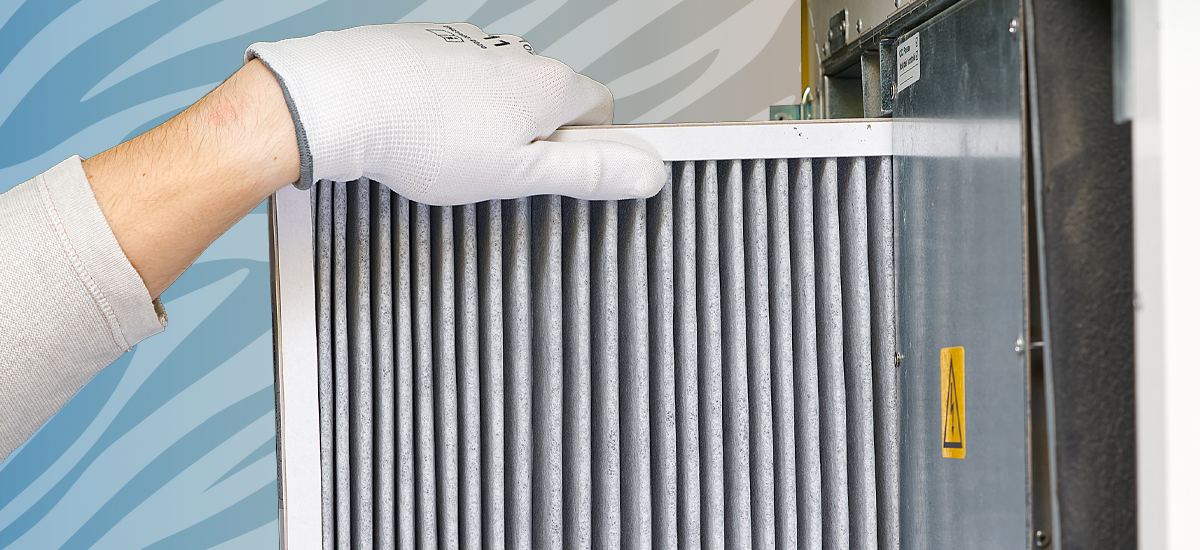
Kentuckiana's humid summers and cold winters push HVAC systems to perform at a high level. Staying ahead of filter changes improves air quality and prevents your heating and cooling equipment from working harder than it should. However, depending on your household, lifestyle and environment, a filter that's brand-new in March can become clogged enough to stop working correctly by June. Here are the variables that influence your HVAC filter replacement schedule. HVAC Filter Replacement Schedule by Filter Type You've probably read conflicting advice about how often to swap your filter, and that's because no two homes are the same. Different filter types, system demands and household conditions all affect how quickly a filter becomes clogged with dirt and other pollutants. Standard 1-inch filters typically need more frequent attention because they have less surface area to capture dust, pet dander and other particles. Thicker 4- to 5-inch media filters often last longer, but the timeline depends on your filter type, how heavily you use your HVAC system and what happens inside your home. Your filter's MERV rating is another variable. Higher-MERV filters trap smaller particles, but they can also restrict airflow in some HVAC systems. That's why replacement schedules aren't one-size-fits-all — they vary based on usage patterns, indoor air quality, pets, allergies and even seasonal temperature swings. A practical approach is to inspect your filter monthly and replace it when it looks dirty, airflow feels weaker or dust starts accumulating more quickly around your home. Whether you use a standard furnace filter or a whole-home media filter, our technicians can recommend a replacement schedule during a preventive HVAC maintenance visit. What Factors Affect How Often You Should Change Your HVAC Filter? The more you run your heating and air conditioning, the faster the filter will clog. Several factors specific to your home determine how quickly that happens. Pets Dogs and cats shed fur and dander that builds up on filter media far faster than ordinary household dust. If you have furry pets, inspect your filter monthly rather than relying on a fixed date. Homes with multiple animals should treat monthly checks as nonnegotiable. Our technicians regularly encounter filters well past their change date during HVAC service calls across Clark County, especially in pet households. Allergies or Asthma Sensitive households may benefit from more frequent changes and a higher-efficiency filter. A clogged filter stops trapping allergens and starts recirculating them back into your air — a problem the Environmental Protection Agency documents in its guide to home air quality , and one we frequently see in homes that go too long between changes. If you're specifically looking for an air filter for allergies, we'll cover the best MERV rating for your household later in this article.

Kentuckiana winters bring freezing temperatures and icy winds, and the last thing you want to deal with is a surprise furnace breakdown. Catching HVAC issues early gives you time to choose affordable fixes instead of emergency repairs or full replacements. By knowing the warning signs, you can stay ahead of breakdowns, keep your energy bills in check and ensure your home stays warm and safe all season long.